What is Intervertebral disc disease (IVDD)?
Intervertebral disc disease (IVDD) is the most common cause of spinal injury in dogs with clinical signs ranging from pain to complete, irreversible paralysis of the limbs. IVDD can affect all breeds but chondrodystrophic (short-legged) breeds are at highest risk, which is a significant concern given their popularity.
Simply put, IVDD refers to the process whereby the spongy, cushioning discs that sit between the vertebrae lose their ‘sponginess’. When this happens the discs can bulge or even burst into the space between the vertebrae that contains the spinal cord. When the disc material pushes on the spinal cord, it can cause pain, nerve damage, and even paralysis.

What is known about the genetics behind IVDD?
An over-expressing FGF4 retrogene on CFA12 (named 12-FGF4RG and also referred to as Chondrodystrophy (CDDY)) has been unequivocally identified as a genetic risk factor for IVDD in chondrodystrophic breeds as well as being associated with short legs (Brown, E.A. et al.) and this variant forms the basis of genetic screening tools available globally. Reducing 12-FGF4RG allele frequency clearly has the potential to lower IVDD incidence but for breeds where 12-FGF4RG frequency is very high/fixed this is not an option. For these breeds, the successful reduction of IVDD incidence will rely on identifying as many additional risk factors as possible.
Despite sharing the FGF4RG risk factor, there are quite big differences in the IVDD disease process between different chondrodystrophic breeds, including disease incidence, the typical age when IVDD occurs and the location in the spine of affected discs. For this reason we believe that additional genetic and/or environmental/lifestyle risk factors must be involved and that these might well represent be a better way of reducing the risk of IVDD than screening for 12-FGF4RG, for some breeds.
Are there other risk factors that lead to IVDD?
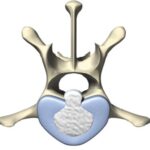
Intervertebral disc disease (IVDD) is the most common cause of spinal injury in dogs with clinical signs ranging from pain to complete, irreversible paralysis of the limbs. IVDD can affect all breeds but chondrodystrophic (short-legged) breeds are at highest risk, which is a significant concern given their popularity.
Simply put, IVDD refers to the process whereby the spongy, cushioning discs that sit between the vertebrae lose their ‘sponginess’. When this happens the discs can bulge or even burst into the space between the vertebrae that contains the spinal cord. When the disc material pushes on the spinal cord, it can cause pain, nerve damage, and even paralysis.
Our current work investigating IVDD
Dachshunds are overrepresented in most reports of IVDD, with about 15% of all Dachshunds likely to develop IVDD during their lifetimes (Packer. R.M. et al., Wee, C. & Nin, D. et al.). For this reason our investigations are currently focused on Dachshunds although we have also recently reported on lifestyle and conformation risk factors for IVDD in Cocker Spaniels (paper accepted for publication). In time, and with appropriate funding, we hope to extend our investigations into other breeds, some of which might benefit directly from our findings in Dachshunds.
Whole Genome Sequencing
We have generated whole genome sequence data from 27 miniature smooth longhaired dachshunds (MSHD). The cohort includes 18 dogs that have been affected by at least one intervertebral disc extrusion (IVDE) and nine control dogs. The IVDE affected dogs are equally distributed between nine male (6 neutered and 3 intact) and nine female (5 neutered and 4 intact) dogs, with age original presentation ranging from 2 to 7 years old. This work was funded by a grant from CamVet.
Genome Wide Association
In partnership with Wisdom Panel, and in collaboration with Drs Merete Fredholm and Helle Friis Proschowsky (University of Copenhagen) we will shortly be undertaking a genome wide association study with Dachshunds that have been screened under the Nordic or UK x ray screening schemes. Up to 300 Dachshunds will be genotyped using the Wisdom Panel proprietary chip and the data analysed to identify regions of the genome that are associated with disc calcification, in addition to the previously identified region that harbours the FGF4RG variant. Positive findings will, we hope, lead to the identification of additional genes that are involved with the disc calcification process, and a better understanding of the aetiology of the disease.
Funding

Our research is generously supported by Dachshund Health UK.
Please also consider donating to support the Canine Genetics Centre and our IVDD research. It costs about £400,000 a year to keep the Canine Genetics Centre running and we welcome all donations, large or small; How to Support Us – The Canine Genetics Centre
Recent news articles about IVDD
- IVDD seminar brings together Dachshund owners, clinicians and researchers September 29, 2026
- Do you own a RKC-registered Bedlington Terrier? July 1, 2026
- Cambridge Vet School – One big research family! September 19, 2025
- When your life passions and job align – meet our resident “crazy dog lady! July 11, 2025
- Canine Genetics Research Day 2025 March 28, 2025
- Presentation about the CGC Biobank – What? Uses? Why? February 14, 2025